

Accessible learning ensures that students can fully engage with the world around them. Recent initiatives from the Blind/Visually Impaired Support Program (BVISP) and the Deaf/Hard of Hearing Support Program highlight this work. Together, they show how intentional experiences and practical tools can make a meaningful difference for students.
Exploring accessible media at LAMP
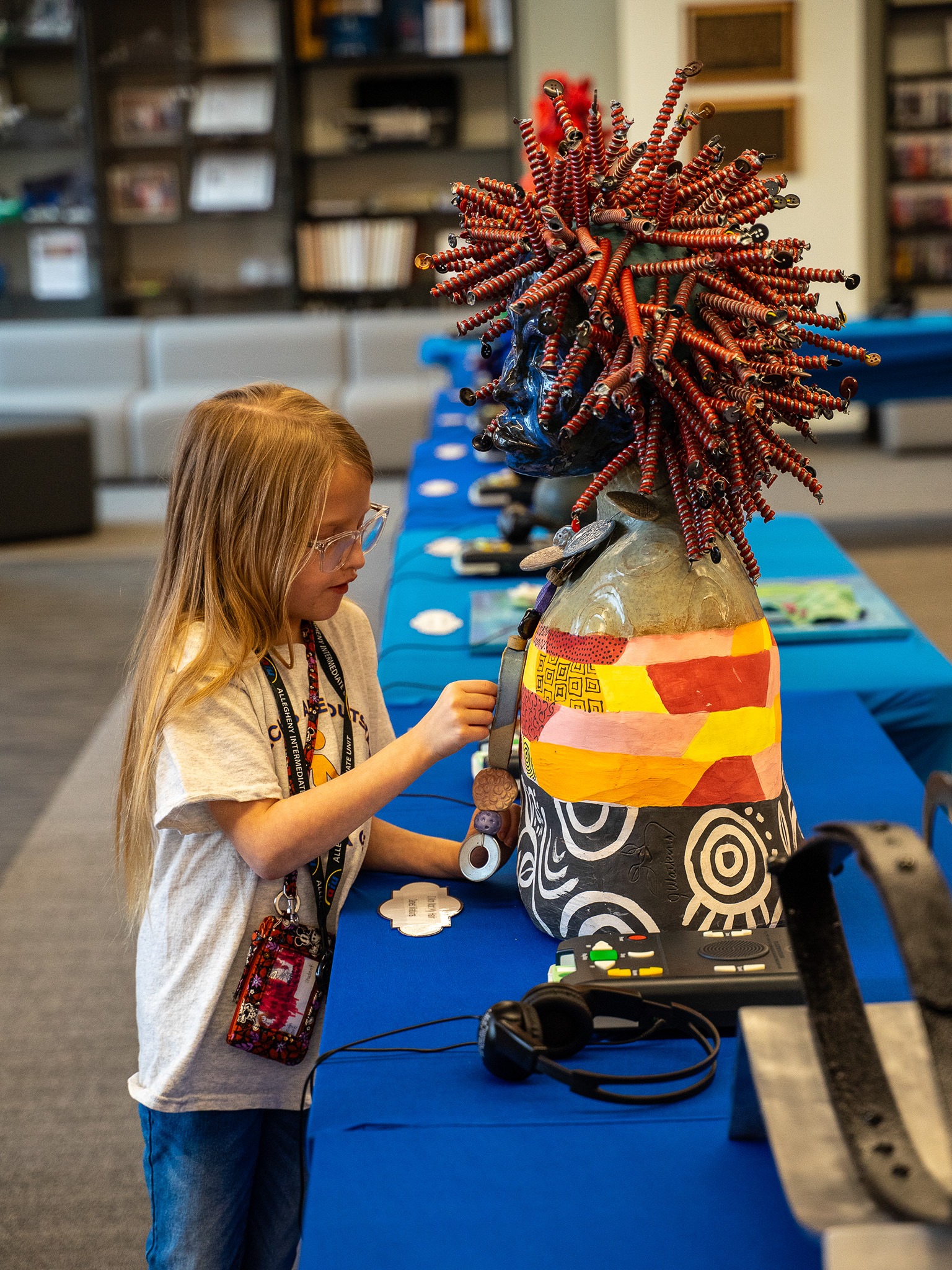
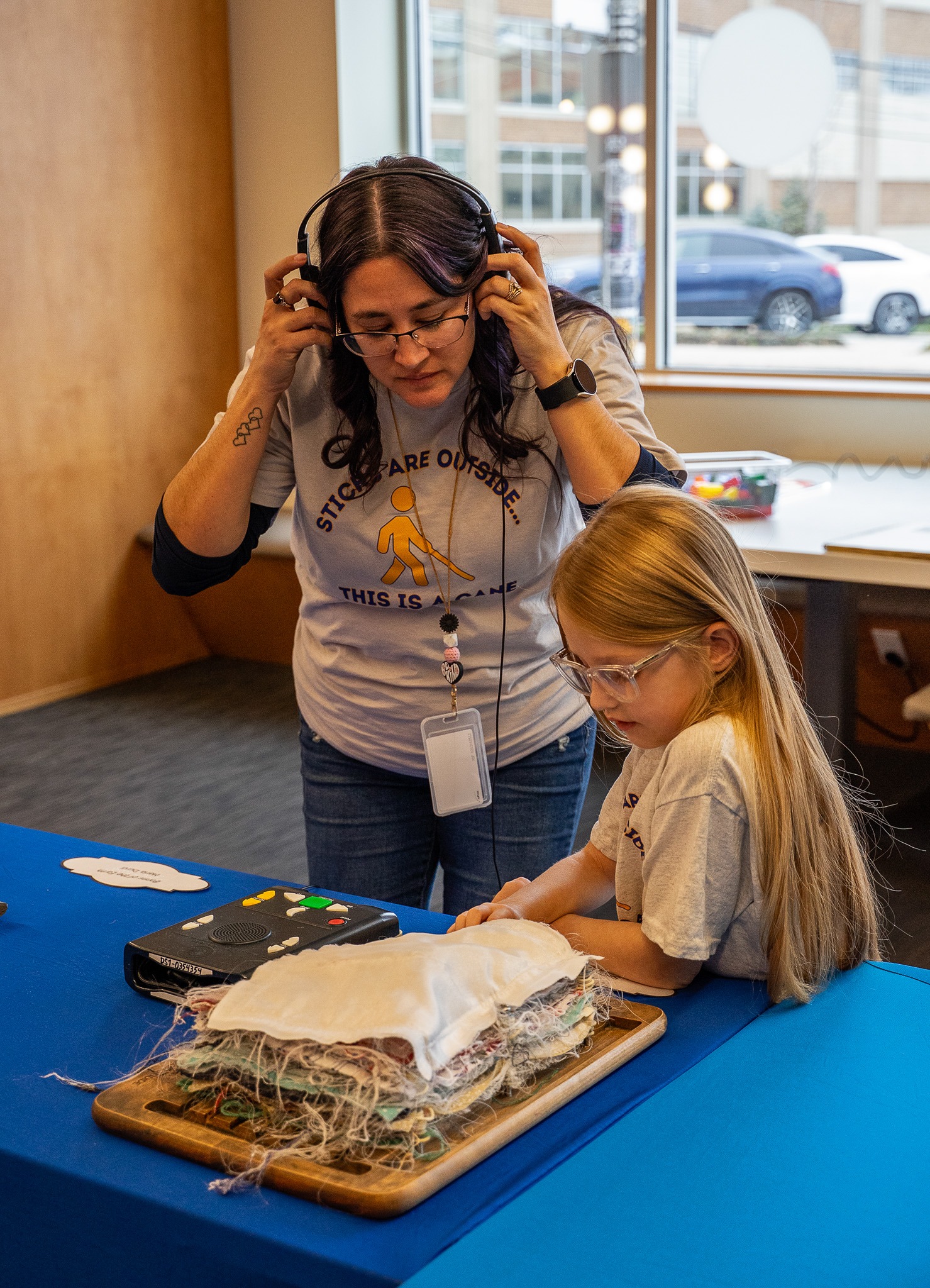
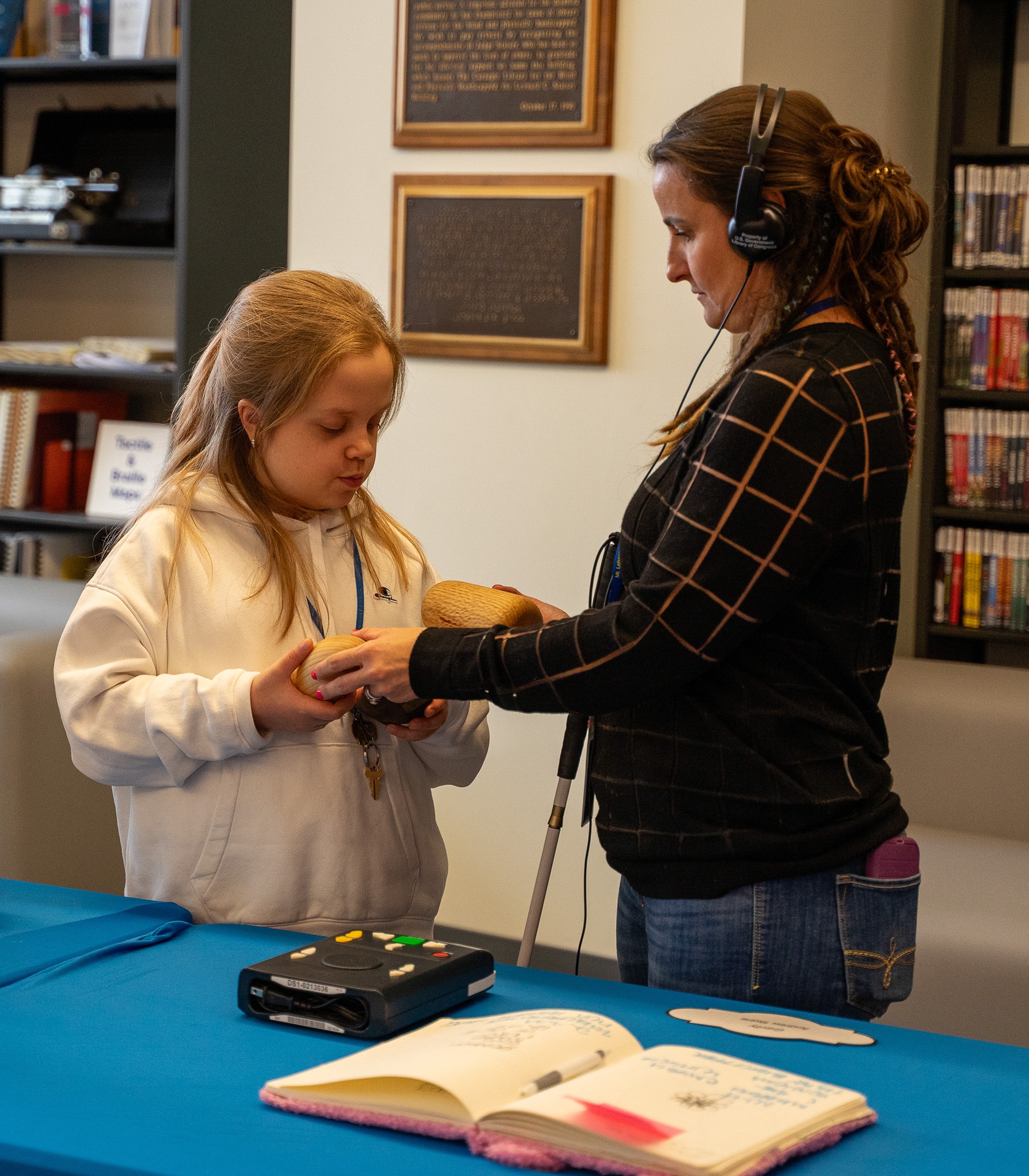
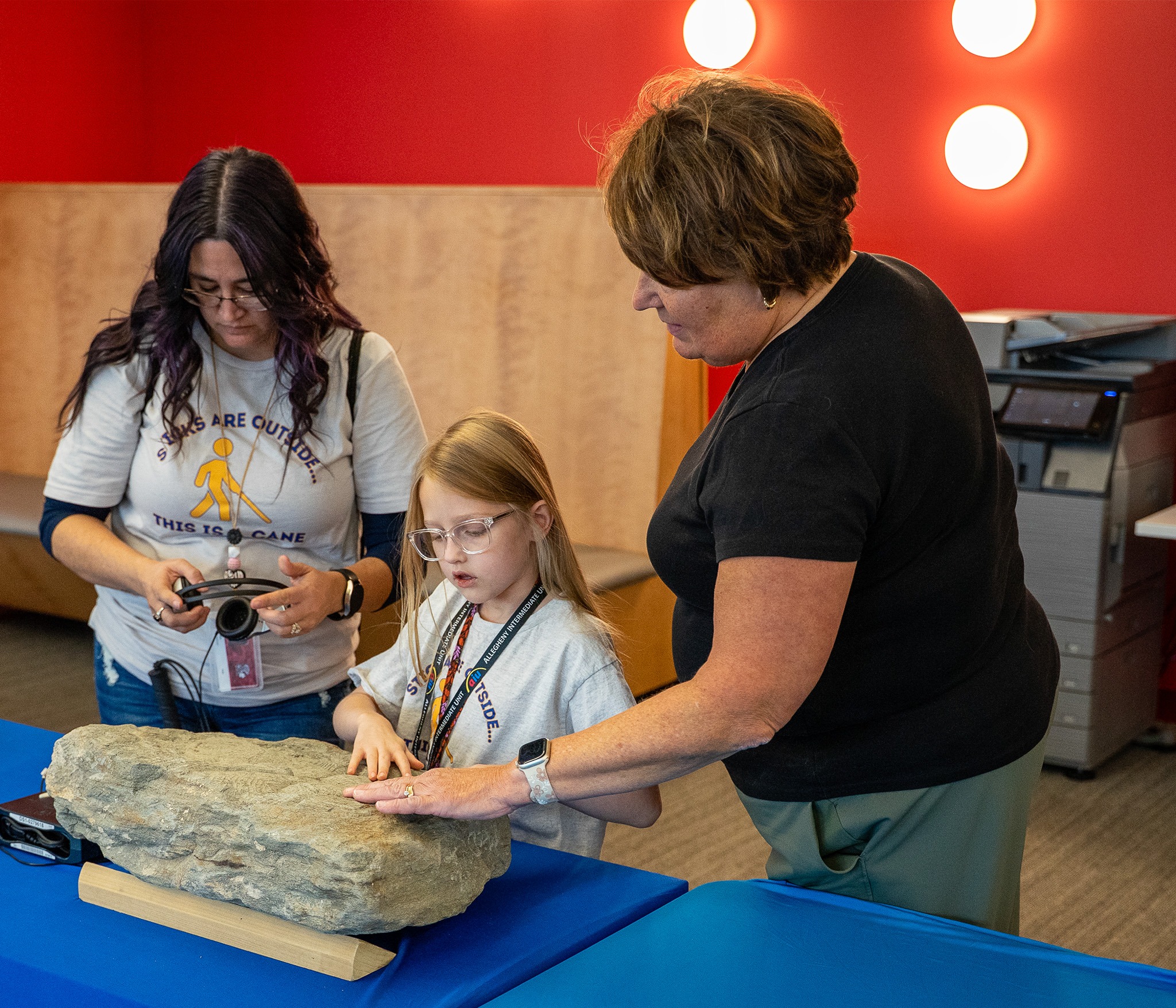
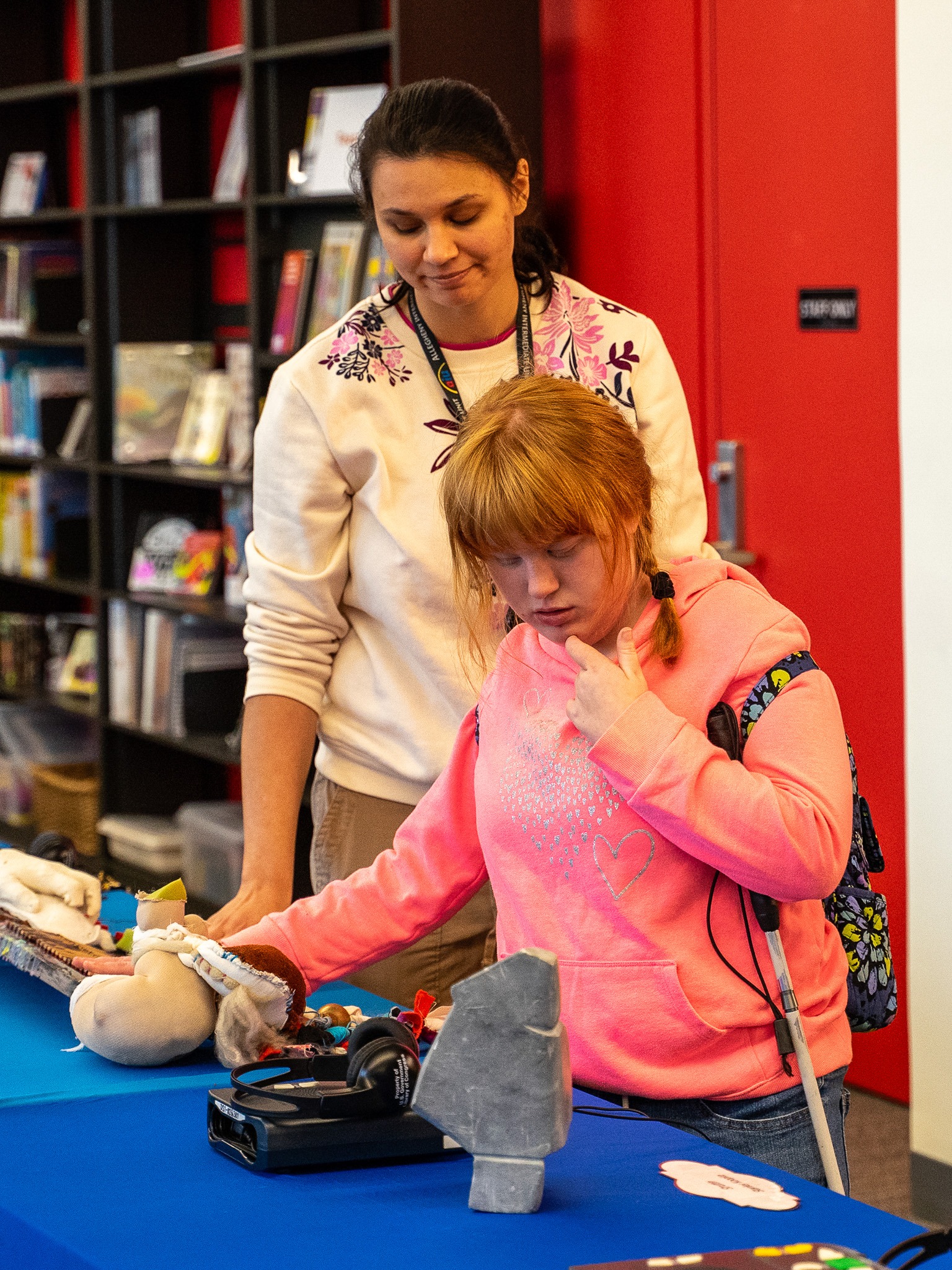
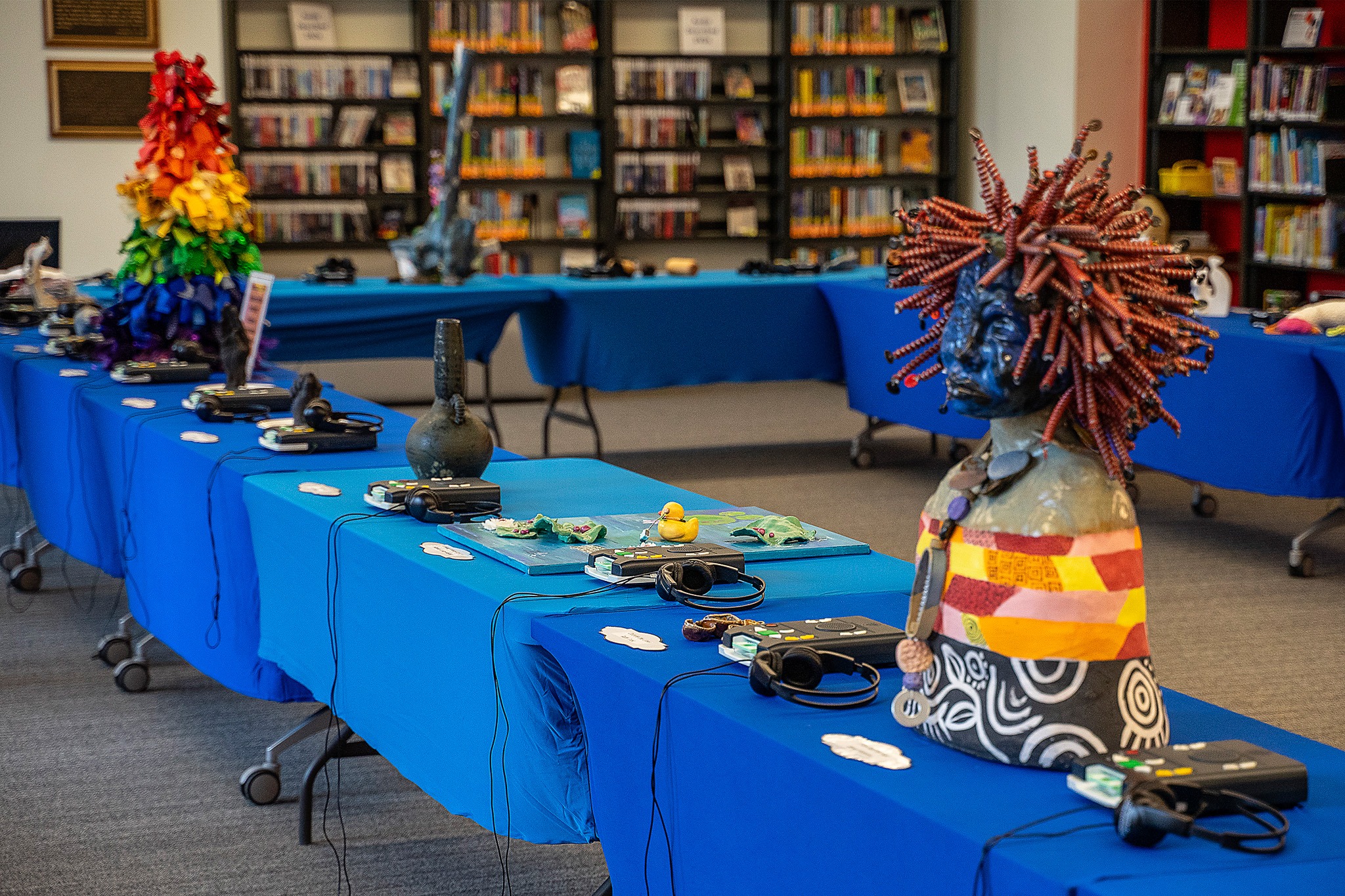
In late November, students in BVISP visited the Carnegie Library of Accessible Media (LAMP) for Pennsylvanians. LAMP is a vital community resource that offers accessible materials like braille and large-print books, audiobooks, tactile resources, assistive technologies, and multisensory learning tools.
During the visit, students learned about the library’s wide range of offerings and how these resources support learning, independence, and lifelong access to information. Participants also experienced LAMP’s Somatosensory Art Show, an immersive exhibit designed to be enjoyed through sound, touch, and other sensory modalities. Experiences like this help students build confidence and support independence.
Building knowledge through HAT
In addition to hands-on learning, the AIU supports accessibility through education and training. Educational audiologists in the Deaf/Hard of Hearing Support Program recently created a series of videos on Hearing Assistive Technology (HAT) that provides clear, practical guidance for using the tools.
The videos explain why HAT is essential in classroom settings. They demonstrate how the technology improves access to speech by overcoming distance from the teacher, background noise, and poor room acoustics, while also reducing listening fatigue throughout the school day. The series offers step-by-step instruction for commonly used devices, including the Phonak Roger Touchscreen, Oticon EduMic, Phonak Roger On, and Cochlear MiniMic. Topics include charging and connecting equipment, wearing microphones correctly, performing listening checks, using group and streaming modes, muting for private conversations, and proper end-of-day storage.
These resources ensure that students have consistent access to instruction, communication, and social interaction.
A shared commitment to access and independence
Whether through experiential learning or instructional resources, the AIU remains dedicated to creating inclusive environments where every student can thrive. By equipping students, families, and educators with the tools and knowledge they need, we continue to build pathways toward independence, engagement, and meaningful participation in school and beyond.